

Home theater installation cost depends on what you want the room to do. A simple TV and soundbar setup is very different from a full media room with a mounted display, surround speakers, hidden wiring, projector screen, equipment cabinet, outlet planning, and room-by-room cable routing.
This guide explains the main factors that affect cost so you can plan the project before requesting an estimate. If you need help with TV mounting, display placement, soundbar setup, wire concealment, or a media-room installation, Artesoft can help review the setup for homes and businesses across Virginia, Maryland, and Washington, DC.
If you are ready to move from pricing research to planning the actual setup, visit our home cinema installation service page for TV mounting, projector setup, surround sound, and wire concealment options.
Planning a home theater or media room setup?
Artesoft can review your TV or projector plan, wall type, cable path, soundbar or speaker setup, outlet needs, and finished-look goals.
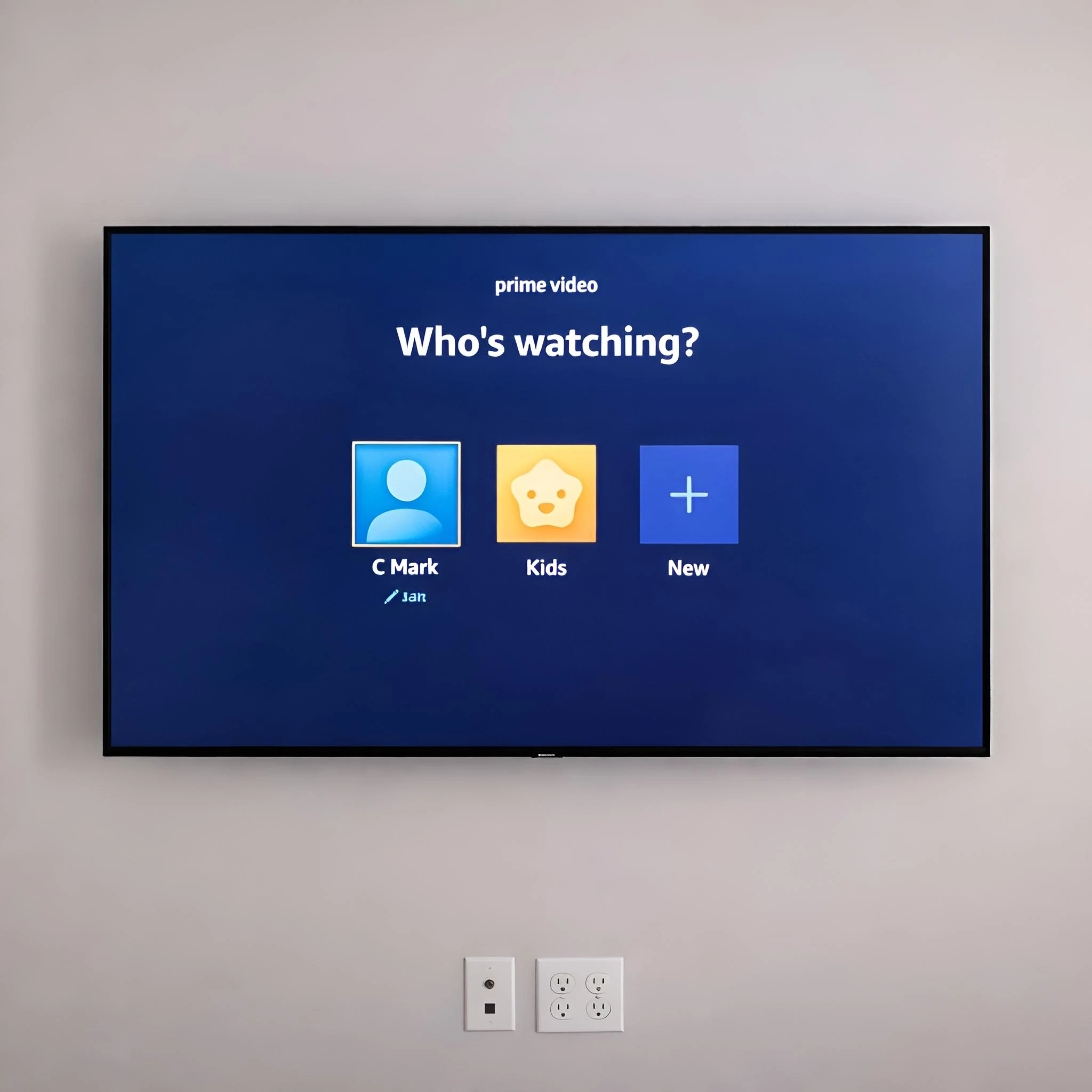
Quick Answer
Home theater installation cost is usually driven by the scope of the setup. A basic TV and soundbar installation may only involve mounting, simple cable management, and device setup. A more advanced media room can include projector placement, speaker wiring, in-wall cable routing, outlet planning, multiple devices, specialty wall surfaces, or custom display mounting.
For planning purposes, think in project levels:
- Basic setup: TV mounting, soundbar placement, streaming device setup, and simple cable management
- Mid-range setup: mounted TV or projector, cleaner cable routing, soundbar or speaker setup, and device organization
- Advanced setup: surround sound wiring, projector and screen placement, hidden wires, outlet coordination, specialty mounting, and more room-specific planning
The best way to estimate the project is to identify the display, audio setup, wall type, cable path, outlet location, and desired finish before installation.
Home Theater Installation Cost By Project Type
Different home theater setups have different cost drivers. These categories can help you understand where your project fits before requesting a quote.
Basic TV And Soundbar Setup
A basic setup may include mounting a TV, connecting a soundbar, setting up streaming devices, checking HDMI connections, and organizing visible cables. This is usually the simplest home theater installation category because it does not require speaker wiring throughout the room.
Cost drivers include:
- TV size and weight
- Wall type
- Mount type
- Soundbar placement
- Outlet location
- HDMI and device access
- Whether wires are visible, covered, or hidden
If the main scope is TV mounting, the related guide on cost to mount a TV may also help.
TV Wall Mount With Hidden Wires
This type of project adds a cleaner finish. The TV may be mounted over a console, in a bedroom, in a living room, or as part of a media wall. The cost depends on the wall, cable path, outlet needs, and whether the finished look requires in-wall rated cable routing or surface cable covers.
For this setup, review wire concealment before installation so the cable path is planned before the TV is on the wall.
Projector And Screen Setup
Projector installations can involve ceiling or shelf placement, throw distance, screen size, power access, HDMI routing, receiver location, and room lighting. The installer needs to confirm that the projector can line up with the screen and that cables can reach the equipment location.
Cost drivers include:
- Projector placement
- Screen type and size
- Ceiling or wall mounting
- Power location
- HDMI or low-voltage cable routing
- Receiver or media device location
- Room lighting and viewing distance
Surround Sound Or Multi-Speaker Setup
Surround sound adds more planning because speakers need to be placed, wired, connected, and tested. A simple soundbar is usually easier than a multi-speaker system with rear speakers, subwoofer placement, receiver setup, and cable routing.
Cost drivers include:
- Number of speakers
- Speaker locations
- In-wall or surface wire routing
- Receiver setup
- Subwoofer placement
- Room shape and seating location
- Whether walls or ceilings need cable paths
Premium Media Room Setup
A premium media room or home cinema installation may combine a large TV or projector, hidden wiring, surround sound, specialty mounting, device cabinet organization, lighting coordination, and a polished finished look. This type of project usually needs a custom estimate because the room layout and finish level matter as much as the equipment.
What Affects Home Theater Installation Cost
The biggest cost factors usually come from labor complexity, room layout, equipment count, wiring requirements, and wall conditions.
Important factors include:
- Display type: TV, projector, screen, or multiple displays
- TV or screen size
- Mount type
- Wall or ceiling material
- Speaker count and placement
- Soundbar or receiver setup
- Cable routing distance
- Outlet location
- In-wall wire concealment
- Fireplace or specialty-surface installation
- Device count
- Room layout and seating position
- Whether existing equipment is being reused
The more the setup depends on hidden wiring, multiple devices, difficult surfaces, or precise placement, the more planning matters before installation begins.
TV, Projector, And Screen Setup
The display is usually the center of the home theater project. A wall-mounted TV, projector, or screen can all work, but they have different installation requirements.
For TVs, the installer should confirm:
- TV size and weight
- VESA pattern
- Mount compatibility
- Wall type and support
- Viewing height
- Cable access
- Outlet location
- Whether the mount blocks HDMI or audio ports
For projectors, the installer should confirm:
- Throw distance
- Screen size
- Mounting location
- Power access
- Cable path
- Room lighting
- Seating location
- Receiver or media-device placement
If the display is a TV, Artesoft’s TV mounting service page is the best starting point for wall support, mount selection, and placement planning.
Audio, Soundbar, And Speaker Setup
Audio can be simple or complex depending on the room. A soundbar is often the most straightforward option. A surround sound system can create a more immersive room, but it also adds speaker placement, receiver setup, wire routing, and testing.
Common audio setup questions include:
- Will the room use a soundbar or multiple speakers?
- Will the soundbar mount to the wall or the TV mount?
- Where will the subwoofer go?
- Will rear speakers need wire routing?
- Is there an AV receiver or media cabinet?
- Are optical, HDMI ARC, or eARC connections needed?
- Will wires be hidden or visible?
Audio cost depends less on the word “home theater” and more on how many components need to be installed, connected, hidden, and tested.
Wiring, Outlets, And Wire Concealment
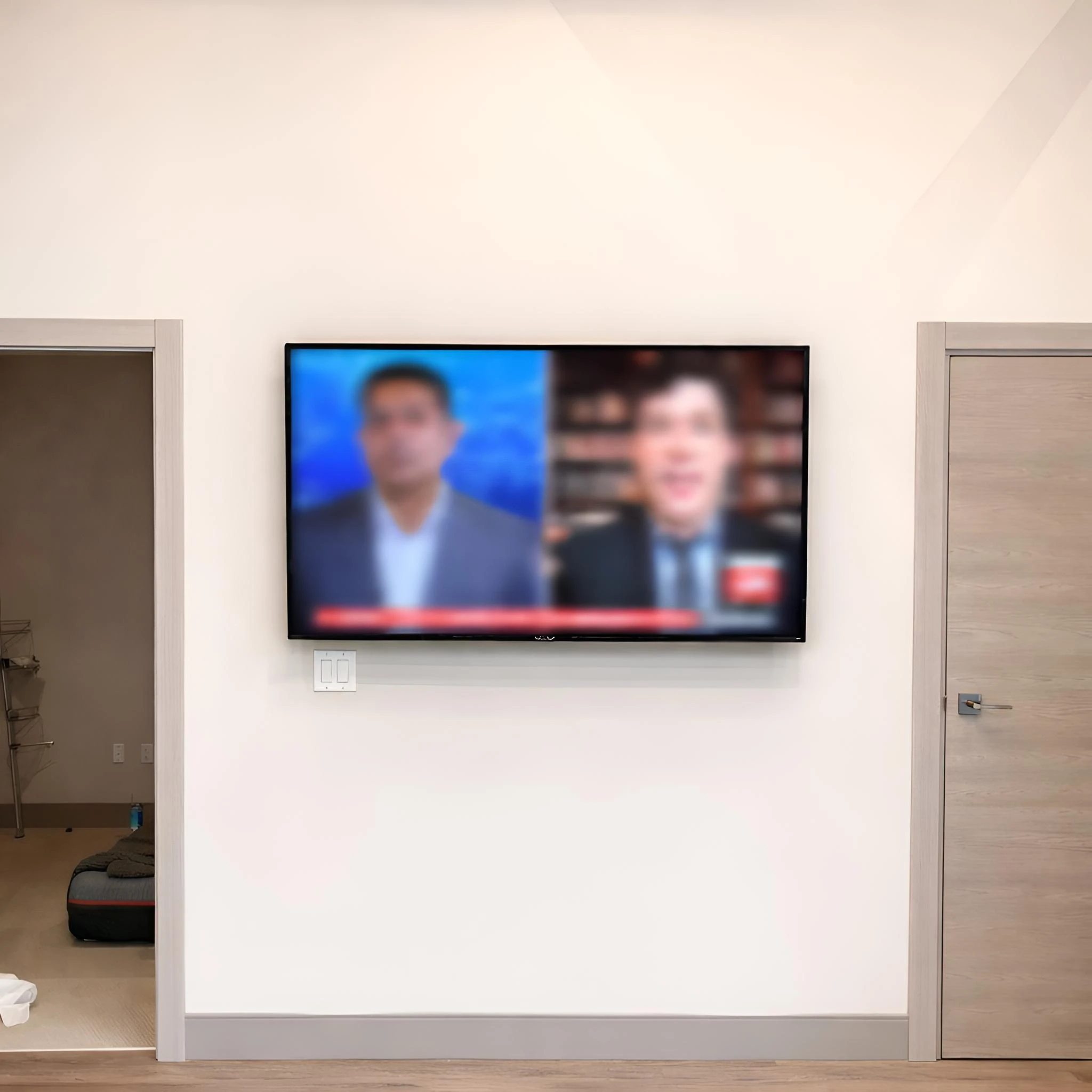
Wiring is one of the biggest differences between a basic setup and a clean home theater installation. A TV can be mounted securely and still look unfinished if HDMI cables, power cords, soundbar wiring, and device cables are visible.
Common wiring needs include:
- HDMI cable routing
- Low-voltage cable concealment
- Soundbar wiring
- Speaker wire routing
- Ethernet or coax connections
- Outlet placement behind the TV
- Media cabinet cable organization
- Projector cable path planning
Power cords should not simply be hidden inside the wall unless the setup uses code-appropriate materials and methods. Low-voltage cables and power wiring are handled differently.
If the finished look matters, plan wire concealment before the display is mounted. It is easier to route cables while the wall and equipment location are still accessible.
Specialty Surfaces And Premium Setups
Some home theater installations need more review because the surface or equipment is less forgiving.
Examples include:
- Brick, stone, tile, concrete, plaster, or metal stud walls
- TVs above fireplaces
- Full-motion or pull-down mounts
- Samsung Frame TVs
- Large TVs
- Projectors with long cable runs
- Commercial displays or multi-screen setups
- Built-ins, media walls, or custom cabinetry
Fireplace installations need extra planning around height, heat, mantel depth, surface material, and cable routing. For that setup, review TV over fireplace installation.
Samsung Frame TVs need planning around the mount, One Connect Box, outlet location, thin cable path, and finished wall look. For that project, see Samsung Frame TV installation.
For offices, restaurants, schools, or larger multi-display environments, Artesoft also provides commercial TV installation.
What To Prepare Before Requesting An Estimate
The more specific the project details, the easier it is to estimate home theater installation cost accurately.
Before You Request An Estimate Checklist
- TV size or projector model
- Mount type or screen type
- Photos of the wall or ceiling
- Wall material if known
- Desired display location
- Outlet location
- Device list
- Soundbar or speaker plan
- Whether wires should be hidden
- Photos of media cabinet or console area
- Fireplace, tile, stone, brick, or built-in details
- Parking, access, or building notes if relevant
Photos are especially helpful for specialty walls, fireplace setups, projector placement, and wire concealment planning.
Home Theater Installation Cost FAQ
How much does home theater installation cost?
Home theater installation cost depends on the display, wall type, wiring, speaker setup, outlet location, and finish level. A basic TV and soundbar setup costs less than a projector, screen, surround sound, hidden wiring, and specialty mounting project.
What is the cheapest home theater setup?
The simplest setup is usually a mounted TV or existing TV with a soundbar, streaming device, and basic cable management. Costs increase when wires need to be hidden, speakers need routing, or the display goes on a difficult wall.
Does hidden wiring increase the cost?
Yes. Hidden wiring can increase the cost because the cable path, wall type, outlet location, and device placement all need to be planned. It also takes more labor than leaving cables visible or using a basic external cable cover.
Is a projector more expensive to install than a TV?
It can be. A projector setup may require ceiling placement, screen alignment, power access, HDMI routing, receiver setup, and more room planning. A TV installation may be simpler if the wall, outlet, and mount are straightforward.
Does surround sound installation cost more than a soundbar?
Usually, yes. A soundbar setup is often simpler. Surround sound can involve multiple speakers, speaker wire routing, receiver setup, subwoofer placement, and testing from the main seating position.
What details should I send for a home theater estimate?
Send the TV or projector model, room photos, wall type, desired display location, outlet location, device list, soundbar or speaker plan, and whether you want wires hidden.
Final Thoughts
Home theater installation cost depends on the full setup, not just the TV or projector. Display mounting, audio setup, wire concealment, outlet location, wall type, device count, and room layout all affect the scope.
If you want help planning a clean media room, TV wall mount, soundbar setup, projector setup, or hidden-wire installation, Artesoft can review the project details and recommend the right installation path.
Ready to estimate your home theater setup?
Share your room photos, display type, wall details, audio plan, and wire concealment goals so Artesoft can review the project before installation.